
Swimming pools are among the most popular places for recreation and physical activity. People all over the world enjoy swimming because it is both entertaining and beneficial for health. A swimming pool offers a peaceful and refreshing environment where individuals can relax, exercise, and spend quality time with family and friends. Especially during hot summer days, swimming pools become crowded with people looking for comfort and enjoyment.
One of the main advantages of swimming pools is their contribution to physical fitness. Swimming is a complete body exercise that swimming pool strengthens muscles and improves flexibility. It also increases stamina and helps maintain a healthy body weight. Unlike some sports that may cause stress on bones and joints, swimming is gentle and safe for most people. This is why doctors often recommend swimming to patients recovering from injuries or suffering from joint pain. Regular swimming also improves heart health and helps maintain proper blood circulation.
Besides physical benefits, swimming has positive effects on mental health. Water creates a calming feeling that helps reduce stress and anxiety. Many people feel relaxed and refreshed after spending time in a swimming pool. Swimming can improve concentration, boost confidence, and increase happiness. It is also a great way to escape from the busy routines of life and enjoy peaceful moments.
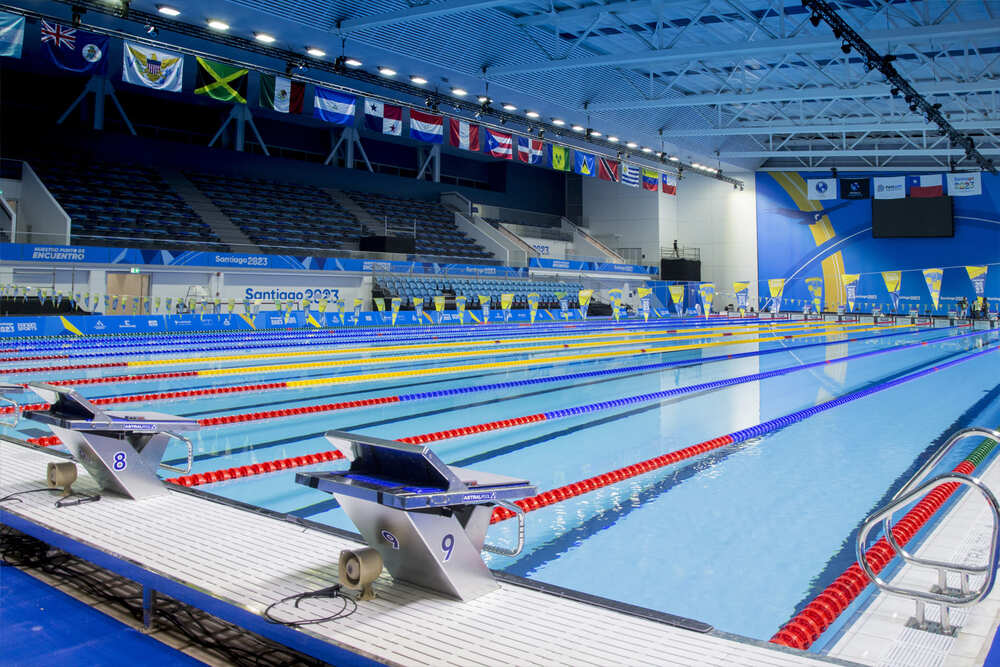
Swimming pools are available in different forms and designs. Public swimming pools are built for communities and are usually large enough to accommodate many visitors. Private pools are commonly found in homes and hotels, offering comfort and privacy. Some pools are specially designed for sports competitions and follow international standards. Modern pools may include diving boards, slides, fountains, and underwater lighting to make them more attractive and enjoyable.
Swimming pools are also important places for learning and skill development. Many schools and sports centers provide swimming lessons for children and adults. Learning to swim is an important life skill because it helps prevent drowning accidents. Professional instructors teach proper techniques, breathing methods, and safety rules. Competitive swimmers also spend many hours practicing in pools to prepare for national and international events.
Safety around swimming pools is extremely important. Pool accidents can occur if rules are ignored or supervision is lacking. Children should never swim alone, and beginners should avoid deep water without guidance. Public pools usually employ trained lifeguards to ensure safety and provide immediate help in emergencies. Pool owners should also maintain safety barriers and keep rescue equipment nearby.
Cleanliness is another essential factor in swimming pool maintenance. Pool water should be filtered and treated regularly to remove bacteria and dirt. Proper cleaning prevents diseases and keeps the water safe for swimmers. The area around the pool should also remain dry and clean to reduce the risk of slipping.
In conclusion, swimming pools provide a perfect combination of recreation, fitness, and relaxation. They improve physical and mental health while offering opportunities for social interaction and skill development. With proper maintenance and safety measures, swimming pools continue to be valuable and enjoyable places for people of all ages.…